- Contact Us Now: (201) 371-3344 Tap to Call


How to Revoke Your Will: 3 Legally Valid Methods (and What to Avoid)



Your will was valid the day you signed it. The problem is that life doesn’t stay still. A divorce, a new grandchild, a falling-out with a beneficiary, or a move to a new state can all make your current will outdated, or actively harmful to the people it was meant to protect.
Here’s what most people don’t know: you can revoke your will at any time, as long as you’re mentally competent. No court approval. No beneficiary consent. No waiting period.
But “legally revoking” a will is very different from crossing something out or tearing off a page in frustration. Courts have strict standards, and informal changes are one of the most common sources of estate litigation. Below, we discuss three recognized legal methods for revoking a will, the mistakes that can blow up a revocation, and when it’s worth paying an attorney to get it right.
What It Means to Revoke a Will
Revoking a will cancels the entire document as if it never existed. Once properly revoked, your property no longer passes under its terms. Your estate is then governed either by a new will you’ve created or, if you haven’t made one, by your state’s intestate succession laws.
Intestacy laws follow a default formula. Depending on your state, your assets might be split between a spouse and adult children, diverted to estranged relatives, or, in the most extreme cases, go entirely to the state if no heirs are found. This is a formula nobody actually chose.
Watch Out: Revoking a will without immediately replacing it leaves your estate without legal direction. Estate planning attorneys consistently advise against revoking an old will until a new one is finalized and signed.
Two things that tend to surprise people:
- Destroying your current will does not bring back a previous one. For example, if you had a 2015 will, replaced it in 2021, then destroyed the 2021 document, the 2015 will doesn’t automatically come back into effect.
- Courts also require that you have testamentary capacity at the time of revocation, the same mental standard that applies when creating a will in the first place.
Three (3) Legal Methods to Revoke a Will
Generally speaking, state laws recognize three primary ways to revoke wills. Each method has specific requirements. Understanding these legal standards helps you choose the right approach.
Method 1: Create a New Will with an Express Revocation Clause
This is the most reliable method, and the one estate attorneys generally recommend.
A properly drafted new will includes a revocation clause near the top: “I hereby revoke all prior wills and codicils previously made by me.” That single sentence cancels every prior will, regardless of how many wills or amendments you’ve signed over the years.
To be legally valid, the new will must typically be signed by you in front of two witnesses who are not beneficiaries and, in some states, it must be notarized.
Even without a formal revocation clause, a new will that addresses your entire estate will typically supersede an older one. But the clause removes any ambiguity, and ambiguity is exactly what fuels estate disputes.
Why this method works best: it closes the gap between revocation and replacement in a single step. You’re never left without an estate plan.
Method 2: Physical Destruction

You can legally revoke a will by intentionally destroying it, whether that means burning, shredding, or tearing it completely. The critical element is intent. An accidental coffee spill doesn’t revoke a will. Neither does losing it.
Most states require that the destruction be substantial enough to demonstrate clear intent and that you either destroy the document yourself or direct someone else to do it in your presence.
In practice, partial destruction creates problems. A document with a few torn corners may not meet the legal threshold in your state. Complete, confirmed destruction is what courts look for.
Pro Tip: If you destroy your will, document it. Write a signed, dated note describing what you did, who witnessed it, and why. Notify your attorney and executor. That paper trail protects your estate if questions come up later.
One real risk: if the original was kept at your attorney’s office or in a safe deposit box and you only destroyed your personal copy, a court may not treat it as fully revoked.
Method 3: Written Revocation Statement
Some states permit a separate written document, called a revocation instrument, that formally cancels an existing will without creating a new one.
A valid revocation statement must clearly identify the will being revoked (by date and your full name), state your intent to revoke, and be signed and witnessed with the same formalities required for the original will.
A basic example: “I, [Your Name], hereby revoke my Last Will and Testament dated [Date], and all codicils thereto.”
This method is most useful as a temporary bridge; for example, when your circumstances change urgently, and you need to cancel an existing will before a replacement is ready. Used alone, though, it leaves you without any estate plan, which carries its own risks.
Check your state’s specific requirements before using this approach. Not every state recognizes a standalone revocation document.
What Doesn’t Work: Partial Revocation Mistakes
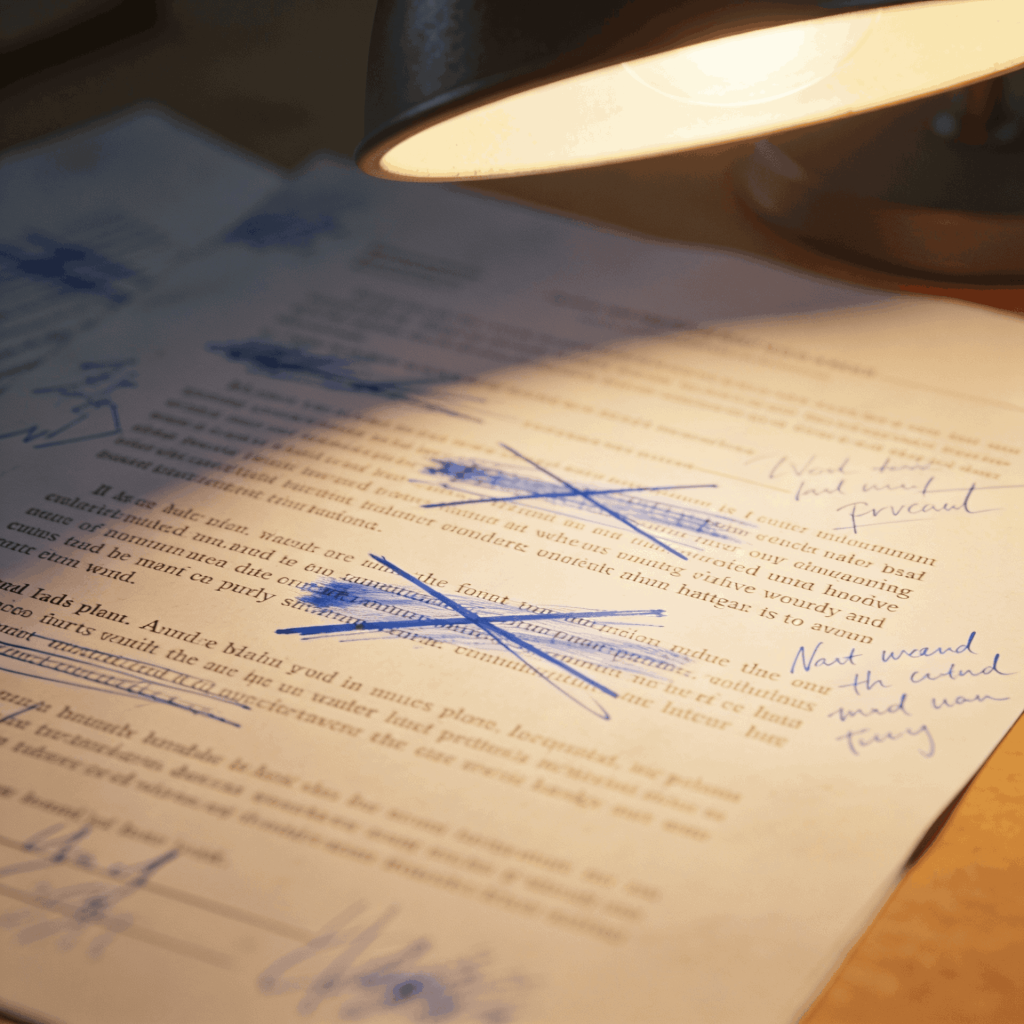
This is where well-intentioned people create expensive problems for their families.
Handwritten edits to a signed, witnessed will are almost never legally valid. Courts apply the same formality requirements to changes as to the original execution of the will, which means any modification must be properly signed and witnessed. An informal edit has neither.
Common mistakes courts reject:
Crossing out a beneficiary’s name: striking through a name and writing in someone else’s isn’t a valid change. The original typed provision typically controls; the handwritten substitution is ignored.
Writing new dollar amounts over old ones: altering a bequest by writing “now $10,000” over “$5,000” fails in most states. Courts can’t verify intent, and the original figure is usually enforced.
Adding margin notes or instructions: handwritten additions in the margins lack proper execution. They’re often disregarded entirely during probate.
Drawing lines through paragraphs: crossing out sections doesn’t legally delete them. Courts frequently enforce the original language anyway, citing the lack of witnessed revocation.
Watch Out: Disputed handwritten changes are one of the leading triggers for probate litigation. What looks like a simple edit can cost your beneficiaries tens of thousands of dollars in legal fees.
When to Use a Codicil Instead
A codicil is a formal, properly witnessed amendment to your existing will. It identifies the original document, describes the specific change, and leaves the rest of the will intact.
Codicils work, but they add complexity. Multiple codicils from different years can create confusion about which version controls. Estate attorneys generally recommend drafting a fresh will whenever significant changes are needed. It’s cleaner, clearer, and harder to challenge.
After Revocation: Who to Notify
Revocation is effective without notice; legally, you don’t owe anyone notice. But if you don’t tell the right people, your revocation can end up being probated after your death by someone who simply didn’t know it was canceled.
Notify your executor, since they may hold the original document. Request its return and tell them about any new will. Notify your estate planning attorney in writing so they can update their records. And retrieve or mark as “REVOKED” any copies you previously shared.
Keep written records of every notification: dates, names, and confirmation of receipt. If a dispute arises later, this documentation matters.
Conclusion: Protecting Your Legacy Through Proper Will Revocation
Revoking a will is a serious legal act with real consequences for the people you care about. Done correctly, through a new will, proper physical destruction, or a valid written statement, it gives you full control over how your estate is handled. Done informally, it creates exactly the confusion and conflict you were trying to prevent.
The safest path, in almost every situation, is to work with an estate planning attorney to revoke your old will and execute a new one in the same process. The cost is modest. The protection is significant. Your will is your final statement of care for your family. Make sure it’s one they can actually rely on. Have questions about updating or revoking your will? The estate planning attorneys at The Chamberlain Law Firm can walk you through your options and make sure your wishes are legally protected. Contact us or call us to schedule a consultation.
Frequently Asked Questions
Can I partially revoke my will by crossing out certain provisions?
In most states, no. Partial revocations through handwritten changes require the same legal formalities as the original will, including witnesses. Courts routinely disregard informal edits and enforce the original language.
How quickly will revocation take effect?
Immediately. Physical destruction revokes the will the moment it’s completed with intent. A new will with a revocation clause takes effect the moment you sign it. There’s no waiting period.
Does destroying my old will bring back a prior will?
No. Destroying a later will does not revive an earlier one. Without a valid new will, intestacy laws determine how your estate is distributed.
Do I have to notify my beneficiaries that I’ve revoked my will?
No. You have no legal obligation to inform beneficiaries or anyone else. That said, notifying your executor and attorney is strongly advisable to prevent practical problems after your death.
This article is for informational purposes only. It is not intended as legal advice. In the event you would like to speak with a lawyer about the specifics of your case contact The Chamberlain Law Firm or call us to schedule a consultation.
Call us here: (201) 371-3344